
 Türkçe
 English

 +90 532 575 20 88
Temporal Lift Surgery Turkey
Temporal Lift (Forehead/Temple Lift) is a minimally invasive facelift procedure performed through the hairline to lift sagging in the outer brow and eye area, providing a more youthful and dynamic facial expression without visible scars.
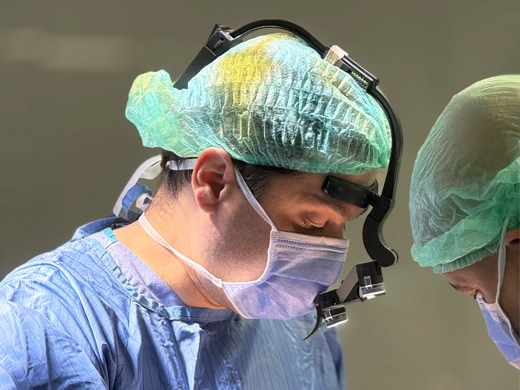
What is Temporal Lift (Temple Lift) Surgery?
Temporal Lift is a facial rejuvenation procedure performed through a small incision of approximately 2–3 cm within the hairline. It is designed to lift the upper and mid-face regions vertically, providing noticeable improvement in the brow, outer eye area, temples, and midface, resulting in a more dynamic and youthful appearance.
Since the incision is placed within the hairline, the procedure leaves no visible scars, making it a “scarless” technique. It can be applied to individuals of any age who experience sagging in the upper and mid-face areas.
How is Temporal Lift Surgery Performed?
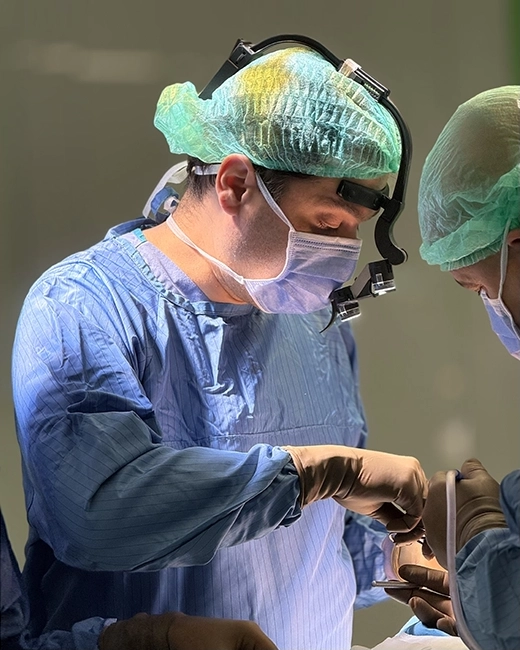
Temporal lift surgery is performed under general anesthesia and typically takes about 1.5 hours. Postoperatively, patients are usually observed in the hospital for one night. The first follow-up is scheduled between the 5th and 10th day after surgery, during which facial dressings and tapes are renewed. Pain and swelling vary depending on the individual’s anatomy but are generally moderate and most noticeable during the first few days.
Recovery Process After Temporal Lift Surgery
During the first 3–4 weeks following a temporal lift procedure, patients may notice:
- Temporary dimpling similar to dimples
- Slightly exaggerated lifting effect
- Mild asymmetries
These findings are consistent with the surgical technique and are considered normal. As the facial tissues gradually settle into their natural position, these temporary effects diminish and disappear. Full recovery and the final results are typically noticeable by the 6th month after surgery.
What to Pay Attention to After Temporal Lift Surgery
To ensure a smooth and comfortable recovery after a temporal lift, certain precautions should be followed. These recommendations help the facial tissues settle properly and reduce the risk of complications:
- Apply cold compresses during the first 48 hours, and use light ice therapy at regular intervals to reduce swelling and bruising.
- Keep the head elevated, especially during the first week; sleep on your back with two pillows.
- Avoid heavy exercise, sauna, steam baths, and very hot showers for 3–4 weeks.
- Minimize or completely avoid alcohol and smoking, as they can delay healing.
- Avoid massage, firm pressure, or cosmetic procedures on the face for the first 3 weeks.
- Refrain from exaggerated facial expressions that pull on the incision line, and limit movements that excessively raise the eyebrows or stretch the temple area.
- Postpone hair coloring or high-heat styling for 10–14 days.
- Take all prescribed antibiotics, pain relievers, and care products regularly as directed by your doctor.
Following these steps helps achieve a natural-looking result and minimizes the risk of complications after surgery.
Temporal Lift (Temple Lift) Surgery Prices Turkey
The cost of Temporal Lift surgery varies depending on the technique used (endoscopic, minimal incision, tissue suspension, etc.),the surgeon’s experience, the hospital or clinic facilities, anesthesia type, and any additional procedures performed alongside the surgery. Since each patient’s facial anatomy, degree of tissue sagging, and aesthetic expectations differ, a personalized plan is preferred over standard pricing.
In international centers, temporal lift costs are generally determined using similar parameters, and prices increase as the scope of the operation expands. The most accurate and final price is provided after a detailed evaluation during a consultation.
Which Doctor Should Perform Temporal Lift Surgery?
Temporal Lift surgery should be performed by surgeons who have an in-depth knowledge of facial anatomy and specialize in facial rejuvenation. The safest option is to have the procedure performed by plastic, reconstructive, or aesthetic surgeons with experience in facial aesthetics.
The temporal region is anatomically sensitive due to the temporal fascia, facial nerves, and blood vessels, making advanced surgical experience essential. Patients are advised to review the surgeon’s previous cases, inquire about endoscopic technique experience, and ensure that the surgeon uses an approach that preserves the natural facial proportions.
Frequently Asked Questions About Temporal Lift
What is Temporal Lift?
Temporal Lift is a facial rejuvenation procedure aimed at lifting the tissues of the upper-lateral face upward and outward to create a more dynamic, youthful, and lively expression. It corrects sagging around the eyes, drooping of the upper face, and the tired appearance at the outer brow, reducing the so-called “tired look” and providing a brighter, more energetic appearance. The procedure also supports the functional area around the eyes.
How is Temporal Lift Performed?
Temporal Lift surgery is performed through small, hidden incisions within the hairline. Through these incisions, the temporal fascia layer is released using either endoscopic or minimal incision techniques and repositioned upward. The surgeon carefully releases the ligaments supporting the outer brow and eye area, lifting the tissues along a natural vector. Tissue suspensions, sutures, or special fixation methods are used to ensure long-term stability. Since the incision is hidden in the hairline, visible scarring is minimal.
How Long is the Recovery for Temporal Lift?
Initial recovery usually occurs within 5–7 days; swelling and mild bruising significantly decrease during the first week. Most patients can return to social activities within 7–10 days. However, complete tissue settling, internal healing around sutures, and the final aesthetic result may take 6–12 weeks. Swelling gradually diminishes, and the eyebrow and tissue position settles into a natural appearance during this period.
How Long Do the Effects of Temporal Lift Last?
The longevity of Temporal Lift results varies depending on the patient and the technique used, typically lasting 5–10 years. Factors affecting durability include the surgeon’s tissue fixation method, the patient’s skin quality, aging speed, facial expressions, and lifestyle (sun exposure, smoking, sleep quality). Results do not disappear completely; while aging continues, the upper-lateral face generally maintains a lifted and firm appearance for a longer period.
Who is a Candidate for Temporal Lift?
Temporal Lift is suitable for individuals with noticeable sagging around the eyes, drooping of the outer brow, or sagging in the upper-lateral facial region who want a more dynamic look. Ideal candidates are usually aged 30–60, have moderate skin elasticity, and exhibit localized signs of aging in the temporal area. The patient’s expectations, facial proportions, and skin quality are assessed before surgery.
Are There Side Effects of Temporal Lift?
As with any surgical procedure, temporary side effects may occur after a Temporal Lift. The most common include swelling, mild bruising, numbness in the scalp, tightness, and temporary asymmetry. Most of these effects resolve within the first few weeks. Rarely, temporary hair loss (shock loss) may occur at the incision site, but hair usually regrows. When performed correctly, serious complications are rare.
Is Temporal Lift Suitable for Everyone?
Temporal Lift is not suitable for all aging types. It may be less effective in patients with minimal eye area sagging, naturally high brow positions, or very poor skin elasticity. Additionally, patients with certain systemic diseases, heavy smokers, or those with wound healing issues require careful evaluation. Incorrect assessment of overall facial balance can result in unnatural brow positions, so the procedure is not standardized for every patient.
What Are the Risks of Temporal Lift Surgery?
When performed by an experienced surgeon, Temporal Lift is a low-risk procedure but is not entirely without risk. The most commonly reported risks include infection, bleeding, hematoma, prolonged numbness, asymmetry, excessive tightness, over-elevation of the brow, and, rarely, temporary weakness of nerve branches. The likelihood of visible scarring in the hairline is very low but may occur in individuals with a predisposition. Detailed preoperative evaluation and proper surgical technique are essential to minimize all risks.

